
杨澜访谈录
Nivin Pauly Slams Producers’ Body Over 2025 Box Office List_我的网站

A |
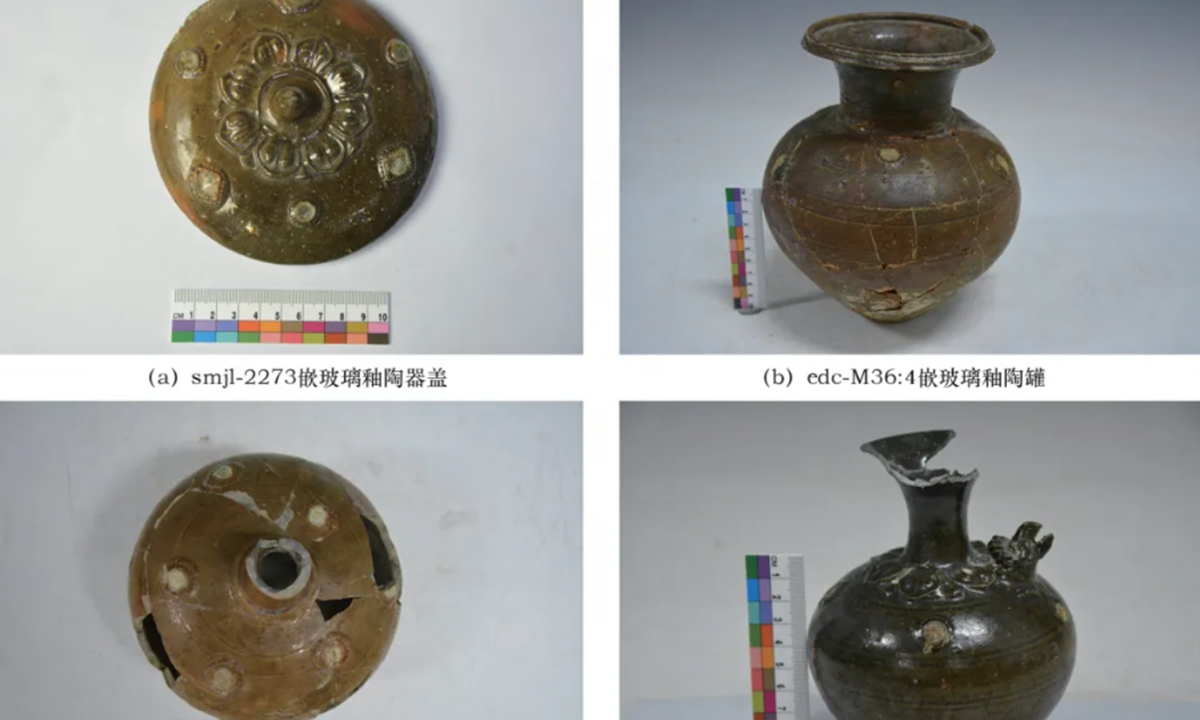
Systematic analysis conducted by the institute of pottery wares dating back to the Pingcheng period of the Northern Wei Dynasty (386-534) has identified distinct foreign cultural and technological elements embedded in the craftsmanship and material composition of the unique artifacts, shedding fresh light on ancient Eurasian cultural integration.
Established by the Tuoba Xianbei ethnic group, the Northern Wei Dynasty designated Pingcheng, present-day Datong city in Shanxi Province, as its capital from 398 to 494. For nearly a century, the city served as a pivotal multicultural hub where Xianbei nomadic culture, Central Plains Han culture and diverse Western Regions civilizations converged and interacted, according to a report on Chinanews.com.cn.
Archaeological excavations at multiple tomb clusters in Pingcheng, including the Dongxin Northern Wei cemetery and the Qilicun cemetery, have yielded a total of eight pieces of glass-inlaid glazed pottery. Though far fewer in number compared with common glazed pottery figurines and painted glazed wares, these artifacts feature an extremely rare inlay technique unseen elsewhere in the developmental history of Chinese ceramics, according to the press release.
Given the exceptional rarity and good preservation of the relics, researchers selected four representative pieces for comprehensive laboratory testing and material analysis. The results show that the glass inlays are primarily soda-alumina glass, most likely produced by remelting trade beads from the Indian Ocean and Pacific regions, a key commodity in ancient maritime and overland trade networks.
The findings confirm that Pingcheng maintained frequent cross-border trade and cultural communication during the Northern Wei era, with access to glass raw materials sourced from diverse overseas regions. The varied compositional characteristics of the inlaid glass provide crucial clues for studying ancient glass-making technologies, raw material circulation and long-distance trade routes in ancient East Asia, the press release noted.
Beyond material composition, the artifacts also embody prominent cross-cultural innovation in design. Their decorative motifs draw heavily on gem-encrusted gold and silver wares of the Sasanian Persian Empire, while integrating artistic elements from other Eurasian regions. The blended design styles reflect the era's prevailing trend of multicultural fusion and creative assimilation of foreign civilizations.
Archaeologists noted that the glass-inlaid glazed pottery represents an innovative technological achievement crafted by Northern Wei artisans who absorbed and refined foreign techniques and aesthetics. The distinctive craftsmanship and stylistic features of these wares exerted a far-reaching influence on ceramic production in surrounding regions and subsequent dynasties, marking a vital chapter in the evolution of ancient Chinese ceramic art.
The research underscores that ancient China's northern borderland was not an isolated cultural enclave, but an active node in Eurasian cultural and trade exchanges, where foreign elements were localized and innovated to form unique regional civilizational achievements, archaeologists from the Shanxi Provincial Institute of Archaeology said.
。

B | The Kerala Film Producers’ Association recently released a list of Malayalam films that hit theatres in 2025, complete with their reported commercial performance. What was meant to be an industry update has quickly turned into a flashpoint, drawing sharp criticism from filmmakers, actors and audiences alike.A List That Sparked a StormOne of the earliest voices to question the list was Anuraj Manohar, director of Narivetta, which stars Tovino Thomas. The filmmaker took to social media asking why his film was missing from the document and demanded clarity on the criteria used to compile it. His post opened the floodgates, with netizens and industry insiders scrutinising the accuracy and intent behind the classification of films as superhits, hits or otherwise.The controversy only intensified when actor Nivin Pauly weighed in during a press conference held to promote his upcoming film Sarvam Maya. Addressing reporters, Nivin said that publishing such a list was unnecessary and unprecedented. According to him, cinema is a business like any other and every year will naturally see a mix of profit and loss. He argued that there was no reason to put those figures out in public, especially at a time when the Malayalam industry is trying to evolve and attract fresh investment. View this post on Instagram A post shared by Anuraj Radhamani Manohar (@anurajmanohar) Nivin added that making commercial verdicts public in this manner could do more harm than good, as it risks creating a negative perception among potential investors and partners. His statement has since been widely shared, with many agreeing that transparency should not come at the cost of damaging the ecosystem.Confusion Over Hits, Superhits and Missing FilmsAdding to the uproar is the way the association has categorised the year’s releases. Only a small number of films have been labelled as superhits and hits, leaving the majority outside these brackets. This has triggered heated online debates, especially over the classification of certain high-profile titles.A key point of contention is the treatment of Eko and Empuraan. Social media users are questioning why Eko has been listed merely as a hit even though it reportedly earned higher net profits than Empuraan, which the list describes as a superhit. For many, this discrepancy has raised doubts about whether the parameters used were consistent or even reliable. Equally puzzling is the absence of Sumathi Valavu from either the hit or superhit categories. The film enjoyed a healthy run in theatres and generated strong word of mouth, making its omission all the more glaring. Fans and trade observers have since demanded an explanation from the association, arguing that incomplete or selective reporting only erodes trust.The backlash has also revived a broader conversation about Nivin Pauly’s own recent career trajectory. While several of his films over the past few years have struggled at the box office, many of them have been critically appreciated. In this context, his comments are being read not as defensive but as a plea for a more nuanced understanding of success, one that goes beyond financial labels.As the debate rages on, the Kerala Film Producers’ Association has yet to issue a detailed clarification on how the list was prepared or why certain films were excluded. Until then, the document is likely to remain a sore point, serving as a reminder that in an industry built on collaboration, public scorecards can easily backfire.Also Read: Nivin Pauly, Mohanlal and Pranav Spark a Social Media Frenzy With Surprise Jet Photos。
Current article:http://0q6njec.bianneixuanbingqinyouxie.buzz/6hek/hfjpd5.html
Published on:06:06:52
机械师_Random reading
- 08-21这座高原之城,凭什么称作“世界的”香格里拉?
- 08-25尊老敬老爱老助老倡议书
- 08-21政声直达丨河北普通高校招生录取工作顺利结束
- 08-23China's Smart Dragon-3 rocket launches 2 satellites(1/4)
- 08-26伊朗称针对美国各种敌对行动均已制定应对方案
- 08-20中国电动汽车品牌席卷新加坡,市场份额持续飙升
- 08-26支付宝蚂蚁林新树:限量食用沙棘
- 08-21Karan Kundrra के कारण Anusha Dandekar ने झेली थी लोगों की नफरत, साधा तेजस्वी प्रकाश के ब्वॉयफ्रेंड पर निशाना?
- 08-24China's short-drama platform begins to curb AI's 'one-face-fits-all' problem
- 08-23Monoprice推出Monolith MTM百瓦桌面蓝牙aptX HD有源扬声器

会痛的十七岁_Active users
- 竟然用石头排队占座,新加坡人你还能再夸张一点吗?
- 机构:上半年全球储能电芯出货量超460GWh,同比大增约94%
- China’s first 100-bcm Bohai gas field Phase I fully online, with daily output topping 5,200 tons
- 第34届广博会吸引17万人次观展,意向合作总额超483亿元
- 上半年机器人产业规上企业营收达1655亿元 我国将打造一批智能机器人标志性产品
- HWG!罗马诺:布伦特福德签21岁后卫迪乌夫,转会费总价4000万镑
- 从澳大利亚到河北,他们专程来看一套房!冀货出海出圈了
- Video: स्कूटी पर जा रही थी लड़कियां, बाइक सवार लड़कों ने कर दी ऐसे हरकत; फिर लग गई क्लास
- 关于开展2026年“福运双色球,惊喜欢乐送”赠票营销活动的公告
- 欧洲股市多数收涨
- 783套!淄博这里分房啦
- 9部门发文激发下沉市场活力 活跃县域消费
- 长春燃气:上半年归母净利润亏损2178.93万元,同比亏损收窄
- 'सारी हदें पार कर दीं...', कांग्रेस-RJD के मंच से PM मोदी की मां पर अभद्र टिप्पणी पर भड़के शाह और नड्डा
- 印度对俄罗斯石油的依赖达到历史新高!日进口量飙至260万桶
- 大基金减持,科技抱团面临拐点?
- 海天味业:上半年净利润41.9亿元,同比增长7.13%
- 2025年618和国补可以叠加吗?618从6月17日晚8点开始最便宜
金牌调解_Hottest this week
- 杨澜访谈录 copyright
- Some of the content comes from the Internet. If you have any offence, please raise it.